Car owners seeking to curb blue or white exhaust and restore engine performance can turn to oil additives, stop-leak formulas, and smoke-reducing treatments. This guide reviews five effective products designed to minimize oil burning, seal leaks, and quiet noisy engines. Each option is evaluated by its ability to cut exhaust smoke, restore compression, and protect engine seals, helping cars run cleaner and smoother without major repairs.
| Product | Brand | Key Benefit | Format |
|---|---|---|---|
| Bardahl 2117 NoSmoke + StopLeak | Bardahl | Reduces burning oil, seals leaks, lowers emissions | 16 fl oz |
| BlueDevil Stop Smoke & Engine Repair | BlueDevil Products | Reduces exhaust smoke, restores compression | 16 oz |
| Liqui Moly Oil Smoke Stop | Liqui Moly | Minimizes blue exhaust smoke, seals wear gaps | 300 ml |
| Engine Oil Stop Leak Engine Stop Smoke | MotorPower Care | Stops oil leaks, prevents oil burning and smoke | 1 unit |
| Engine Wizard Engine Oil Stop Leak | Engine Wizard | Seals leaks, reduces smoke, protects seals | 1 oz |
Note: These products target different parts of the oil system, from burning oil and leaking seals to restoring compression. When choosing, consider your engine type, mileage, and the severity of smoke. Always follow label directions and consult a mechanic if there are underlying mechanical issues.
Bardahl 2117 NoSmoke Plus StopLeak

The Bardahl NoSmoke Plus StopLeak motor oil additive is designed to address oil burning and excessive exhaust smoke. The formula aims to fill loose tolerances with an extra-thick composition, reducing oil consumption while also helping seal gaps that contribute to leaks. In addition to smoke reduction, Bardahl emphasizes quieter lifters and improved engine reliability. The product also notes potential emissions benefits as engines slow their deterioration, helping to maintain cleaner exhaust over time.
Features highlight a dual purpose: reducing oil burning and serving as an engine oil leak sealer. It also mentions emissions considerations as part of long-term use. This option is suitable for aging engines with visible smoke and subtle oil leaks, especially when owners want a single product to address multiple symptoms.
BlueDevil Stop Smoke & Engine Repair

BlueDevil Stop Smoke & Engine Repair is designed to reduce exhaust smoke while driving, helping to restore engine compression and overall performance. By softening and expanding worn seals and rings, the product aims to reduce misfires and improve efficiency. It’s positioned as a convenient, in-vehicle treatment that works without dismantling the engine, making it a popular choice for drivers dealing with smoke-related symptoms and fluctuating pressures inside the engine.
Key benefits include smoke reduction, compression restoration, and seal conditioning. This product is generally suitable for engines with visible smoke from oil burning and for vehicles approaching higher mileage where seal wear is common. It emphasizes onboard effectiveness without the need for major repairs.
Liqui Moly Oil Smoke Stop

Liqui Moly Oil Smoke Stop is formulated to minimize blue smoke from engines that burn oil. The product uses a high-viscosity approach to seal gaps caused by wear in internal engine components and is suitable for various oils used in petrol and diesel engines. It is specifically marketed to address blue smoke, which indicates oil burning, and to help reduce the need for frequent top-ups.
Considerations include compatibility with engine oil types, the extent of wear, and the potential impact on fuel efficiency and engine cleanliness. This option may appeal to drivers with consistent blue smoke symptoms and a need for an additive that can work with existing oil formulations.
Engine Oil Stop Leak Engine Stop Smoke

Engine Power’s Engine Oil Stop Leak focuses on stopping oil leaks and sealing gasket gaps, while also preventing oil burning and excessive exhaust smoke. The product is presented as a safe, effective formula that targets leaks first and foremost, with smoke reduction as a secondary benefit. It’s positioned for vehicles with minor to moderate leaks where a seal restoration can improve overall engine performance and reduce smoke emissions over time.
Use cases include vehicles showing seepage at gaskets or valve covers, especially in aging engines. The product’s dual emphasis on leak sealing and smoke reduction provides a practical option for owners who want to address leaks without extensive labor.
Engine Wizard Engine Oil Stop Leak
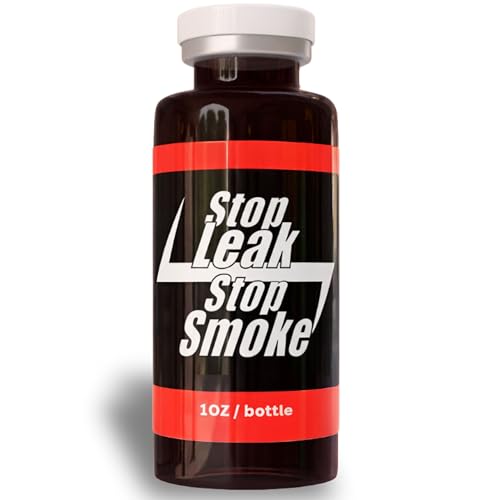
Engine Wizard’s Engine Oil Stop Leak provides an advanced formulation designed to seal minor oil leaks and restore seals and gaskets without dismantling. The product emphasizes a quick sealing effect to minimize drips and seepage while reducing oil consumption and blue exhaust smoke. It positions itself as a practical option for drivers seeking a quick repair without removing engine components.
Its strengths lie in restoring flexibility to hardened seals and reducing ongoing smoke, potentially lowering the need for frequent oil top-ups. This option suits owners who want a simple, over-the-counter treatment that avoids complex repairs.
Buying Guide: Key Purchase Considerations for Stop Smoke Solutions
- Identify the primary symptom: smoke color matters (blue typically signals oil burning; white/gray can indicate burning oil or coolant issues) and helps choose the right product.
- Engine condition and mileage: older engines with worn seals and gaskets benefit from seal restoration formulas, while newer engines may respond best to targeted smoke-reduction additives.
- Leak severity: if leaks are significant, a stop-leak that also seals gaskets may be preferred over a purely smoke-reduction product.
- Oil compatibility: verify the product’s compatibility with your engine oil type (synthetic vs. conventional) and engine design (gasoline vs. diesel).
- Emissions considerations: some formulations emphasize reduced pollutants in exhaust, aligning with stricter standards on older vehicles.
- Ease of use: most additives are single-treatment or optional boosters; consider whether you prefer a one-time application or a maintenance schedule.
- Maintenance implications: running engines with heavy smoke may indicate deeper issues; additives are often support measures rather than replacements for mechanical repair.
- Warranty and manufacturer guidance: check vehicle warranty terms to ensure additive use won’t affect coverage in case of engine-related claims.
When evaluating options, compare claims about smoke reduction, compression restoration, and seal conditioning. Consider combining a smoke-reduction product with a light leak-sealing formulation if leaks are present, but consult a trusted mechanic if smoky symptoms persist or if you notice unusual noises, loss of power, or overheating. The right approach balances treatment efficacy with long-term engine health.