Touring requires a helmet that blends protection, comfort and practical features for long road days. The following selections are focused on full-face, modular and touring-friendly designs with reliable safety standards, ventilation, and ease-of-use. Each option balances weight, visibility and noise suppression to help riders stay relaxed and focused on the journey. Below is a quick buyer’s table to compare key attributes across five standout helmets.
| Product | Brand | Key Benefit |
|---|---|---|
| ScorpionEXO T520 Full Face Touring | ScorpionEXO | Bluetooth-ready speaker pockets and aero-ventilation |
| GLX GX11 Compact Half/Full-Preview | GLX | Wind-tunnel tested ventilation and wide field of vision |
| BEON Full Face DOT Modular | BEON | 180° reversible chin guard and dual visors |
| ILM Modular Motorcycle Helmet | ILM | Dual visor system with modular flip-up |
| kaESE Carbon Fiber Full Face | kaESE | Carbon fiber shell with Bluetooth-ready pockets |
ScorpionEXO T520 Full Face Touring Helmet

The ScorpionEXO T520 is designed for long rides with a focus on comfort and reduced wind noise. Its advanced polycarbonate shell and dual density EPS work together to manage impact energy, while aero-skirt helps streamline airflow and cut wind noise at highway speeds. Inside, the Aero-Tuned Ventilation system channels air effectively, with top intake vents and exhaust outlets to remove heat. A free breath deflector supports fog-free performance, and the AirFit inflation system allows a customized cheek pad fit for a quieter ride. It also accommodates EXO-COM Bluetooth speakers pockets for hands-free communication.
GLX GX11 Compact Motorcycle Helmet

The GLX GX11 offers a snug fit with a streamlined silhouette focused on affordability without compromising safety. Its wind-tunnel-tested ventilation provides three adjustable air intakes and four exhaust outlets to tailor airflow. The helmet enhances visibility with a robust shield system that delivers a wide field of vision and a quick-change shield mechanism for easy replacement. This combination supports comfortable all-day riding and clear peripheral awareness during touring routes.
BEON Full Face DOT Approved Modular Helmet

BEON’s full-face modular design features a 180° flip-up chin guard, enabling easy transitions between full-face protection and open-face comfort on longer rides. It complies with DOT FMVSS 218 and ECE 22.05 standards, providing a broad regulatory footprint. The helmet uses a high-impact ABS shell with an EPS liner and a replaceable microfiber interior plus an efficient ventilation system. This setup supports touring scenarios where quick adjustments and flexible ride posture are useful.
ILM Modular Motorcycle Helmet
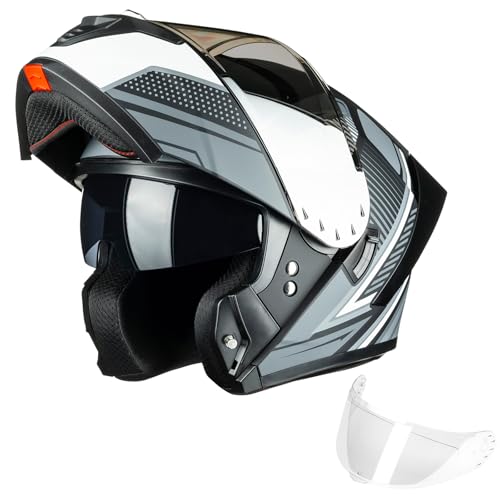
ILM’s MM966 Modular Helmet emphasizes versatility with a simple flip-up mechanism, allowing riders to switch between full-face and open-face modes on demand. The helmet integrates a dual-visor system—clear outer visor and tinted inner visor—to adapt to changing light conditions during touring. It meets FMVSS 218 and DOT standards for safety, and includes a modular design that is especially convenient for riders who want quick access to a breathable, open-face experience without removing the helmet entirely.
kaESE Carbon Fiber Full Face Helmet

This kaESE helmet features a carbon fiber shell that delivers strength with lighter weight, paired with a high-density EPS liner to absorb impact. The design emphasizes aerodynamics to reduce buffeting and lifting while the fully vented EPS system enhances airflow for touring comfort. Weighing approximately 1150 grams, the helmet offers a balance of durability and comfort for long-distance rides. Several models in the kaESE line include Bluetooth-ready speaker pockets for integrated communication on the road.
Buying Guide
- Safety certifications: Look for DOT, ECE 22.05, or FMVSS 218 compliance. For touring, full-face or modular designs with robust shells and EPS liners are recommended for comprehensive protection.
- Ventilation and comfort: Adequate vents, adjustable intake/outlet, and moisture-wicking liners improve comfort on long rides. Check for removable, washable liners and eye-friendly features like fog resistance on visors.
- Noise management: Aerodynamic shells, wind skirts, and cheek-pad fit influence wind noise. Consider helmets with options to customize fit and reduce lift at highway speeds.
- Visors and visibility: A wide field of view and quick visor replacement are assets. Some models offer dual visors or anti-fog capabilities—beneficial for touring in varied weather.
- Weight and fit: Heavier helmets can lead to fatigue over long distances. Cardio-friendly riders may prefer lighter carbon fiber or composite shells; always check sizing guides and try before committing.
- Integrated features: Bluetooth-ready pockets, modular flip mechanisms, and tinted visors add convenience for touring. Ensure compatibility with your existing gear and apps where applicable.
- Maintenance: Detachable liners and easy-to-clean interiors extend helmet lifespan. Inspect vents, seals, and visor mechanisms regularly for optimal performance.
When choosing a helmet for touring, prioritize all-day comfort, effective ventilation, and secure fit. Modular designs offer flexibility for rests and quick conversations with fellow riders, while full-face configurations provide maximum protection in varied weather and road conditions. A carbon fiber shell can lower weight for long trips, though it may come at a premium. Consider your riding style, climate, and the level of noise you’re willing to tolerate to select a helmet that best supports your touring road sojourns.