Emergency light bars are essential tools for construction crews, tow trucks, snowplows, and first-responder fleets. This guide highlights five top-rated options that combine visibility, durability, and easy operation. Each pick includes high-intensity LEDs, weatherproof housings, and multiple flash patterns to adapt to varied situations. Read on to compare features, installation needs, and performance considerations to help you choose the right emergency light bar for your vehicle.
Buying Snapshot
The following table provides a quick reference for the five highlighted products, including key specs and standout features to aid side-by-side comparisons.
- XRIDONSEN 37″ 104 LED Roof Top Strobe Light Bar – Amber/White, 360° visibility, IP67 waterproof, digital controller with 26 patterns.
- LRTER 42″ 206 LED Rooftop Strobe Light Bar – 20 modes, strong magnet mounting, high brightness with PS magnifying lens.
- XRIDONSEN 35″ Traffic Advisor Light Bar – 48 LEDs, 26 modes, front/rear display, durable aluminum housing.
- HLauto 1002L Emergency Strobe Light Bar – 40 LEDs, long 16.4 ft cable, 26 patterns, easy windshield mounting.
- ASPL 29.5″ 54 LED Strobe Light Bar – 26 patterns, dual-sided LEDs, magnetic base, quick plug-and-play setup.
XRIDONSEN 37 Inch 104 LED Roof Top Strobe Light Bar

This XRIDONSEN model emphasizes maximum daytime visibility with 104 LEDs and a spotlight TIR lens, delivering 360° warning coverage. The aluminium housing is IP67-rated for waterproof endurance, designed to withstand rain, fog, snow, and sandstorms. A digital controller offers 26 flash patterns, 3 directional selections, and a customizable pattern, making it suitable for construction vehicles, plow trucks, and responders who need reliable signaling in varying conditions. The long-lasting build promises up to 50,000 hours of operation.
LRTER 42 Inch 206 LED Rooftop Light Bar

The LRTER option prioritizes brightness with 206 high-power LEDs and a PS magnifying lens to maximize visibility. It includes a controller with a 20-mode spectrum, store-and-recall memory, and a 9-button interface for quick adjustments. Note that the unit relies on magnets for mounting; aluminum roofs may require surface magnets to be active. This bar excels for heavy-duty roadside work, rescue operations, and situations demanding high daytime conspicuity.
XRIDONSEN 35 Inch Traffic Advisor Light Bar

This 35-inch XRIDONSEN model features 48 high-intensity LEDs with TIR lenses to enhance daytime brightness. A durable aluminum housing supports long-term use, with 26 flash patterns and a last-mode memory option. The quick plug-and-play controller enables simple operation from the cab, making it a practical option for construction fleets, tow services, and emergency response teams seeking dependable signaling with a relatively compact footprint.
HLauto 1002L Emergency Strobe Light Bar

The HLauto 1002L unit uses 40 high-intensity LEDs with PS magnifying lenses to deliver brightness with a focus on daylight visibility. It includes 16.4 feet of cable, 2x front/rear windshield mounting, and a 12V cigarette-lighter plug. With 26 flashing patterns and last-memory recall, this bar suits a variety of vehicles, from construction trucks to snowplows. The extended cable length supports flexible installation options across fleet configurations while maintaining robust signaling performance.
ASPL 29.5 Inch 54 LED Strobe Light Bar
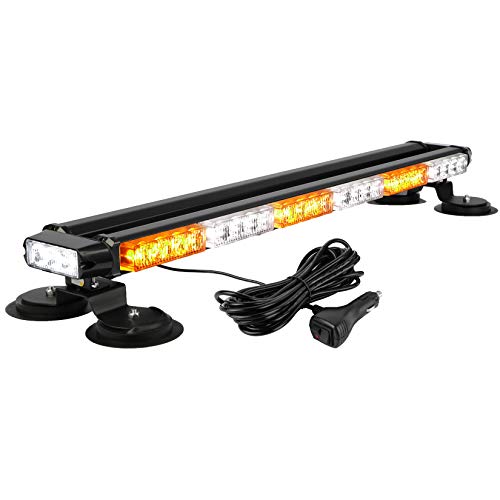
ASPL’s compact 29.5-inch bar packs 54 LEDs with dual-side wiring and six groups of LEDs for enhanced brightness. It includes 26 flashing patterns with memory recall, a magnetic base with robust suction cups for roof mounting, and a long 16.4-foot cable with plug-and-play capability. This model is well-suited for smaller fleets, service vehicles, and tasks requiring strong visibility without a large installation footprint.
Buying Guide: Key Purchase Considerations And Comparisons
- Brightness and visibility: Look for LED counts, lens design (TIR), and 360° coverage to ensure daytime recognition and nighttime reliability.
- Weather resistance: IP ratings (IP67 is common) indicate water and dust protection. Aluminum housings usually offer durability under harsh conditions.
- Mounting method: Magnetic bases and suction cups are quick and roof-friendly for some vehicles; steel roofs or aluminum roofs may require different mounting strategies or additional hardware.
- Control options: Controllers with built-in displays, memory recall, and multiple patterns let you tailor signaling to the scene and reduce setup time.
- Cable length and power: Consider vehicle electrical systems (12V vs 24V) and available cabling length to avoid extension complications.
- Pattern variety: A broader set of flash patterns improves versatility for traffic direction, hazard warning, and scene lighting. Look for memory recall to repeat preferred modes quickly.
- Durability and warranty: A rugged build and long-rated lifespan reduce maintenance costs and downtime in demanding work environments.
- Size and mounting fit: Larger bars offer greater brightness but may not fit all vehicle silhouettes. Confirm length, mounting hardware, and clearance before purchasing.
- Maintenance considerations: Waterproof seals, lens clarity, and heatsinking affect long-term performance and reliability in extreme temperatures.
When selecting an emergency light bar, balance coverage area, mounting practicality, and how often you operate in daylight versus nighttime. For fleet operators, a mirror-bright daytime signal combined with reliable night visibility and easy reconfiguration in the field yields safer road interactions and faster response times. Compare the five options above against your vehicle type, mounting surface, and power supply to determine which model aligns best with your operational requirements while meeting relevant safety standards.