Choosing the right coolant reservoir and related components for a Jeep Wrangler can vary by model year and engine. This guide highlights reliable, aftermarket options that fit JL/JLU, JK, and Gladiator models where applicable. Each product entry includes compatibility notes, a quick image view, and install considerations to help you select an upgrade or replacement that maintains cooling performance on rugged trails and daily driving alike.
| Brand | Product | Compatibility | Notes |
|---|---|---|---|
| MOTOKU | Coolant Reservoir Bottle | Jeep Wrangler 2.0, 2018-2025 | |
| TRQ | CH3014149 Reservoir | Jeep Wrangler JK 2012-2017 (and related 68091500AD/AE references) | |
| TRQ | CH3014196 Reservoir | Jeep Wrangler 2018-2025 | |
| YEHERIT | 68364312AC Reservoir | Jeep Wrangler 2018-2025 2.0L L4 | |
| KOKSHELY | Aluminium Front Coolant Reservoir | Wrangler JL/JLU & Gladiator JT 2018-2025 (2.0T & 3.6L) |
MOTOKU Coolant Reservoir For Jeep Wrangler 2018-2025

The MOTOKU reservoir is presented as a direct-fit replacement for Jeep Wrangler models equipped with the 2.0L engine between 2018 and 2025. This plastic bottle design focuses on restoring proper coolant storage, visibility, and seal integrity within the engine bay. Compatibility is emphasized for the specified 2.0L configurations, helping prevent leaks and pressure issues that may arise after wear or impact damage.
Installation considerations include matching the mounting location and ensuring a secure cap seal to maintain correct pressure. The part is designed to integrate with the Wrangler’s cooling system without requiring extensive modifications, making it suitable for DIY replacements and quick repairs on the trail or driveway.
TRQ Radiator Reservoir CH3014149 For Jeep Wrangler 2012-2017

This TRQ reservoir lists compatibility with Jeep Wrangler JK models from 2012 through 2017 and references multiple part numbers (CH3014149, 68091500AD, 68091500AE). TRQ positions itself as a trusted DIY parts source with a library of installation videos to aid fitment and service. The product is marketed as a direct-fit replacement designed to restore coolant capacity and system integrity while offering a straightforward installation path for enthusiasts and professional mechanics alike.
In practice, verify fitment against the Amazon Garage and the vehicle’s OEM reference numbers before ordering. The description emphasizes compatibility charts and video resources, which can help ensure an accurate upgrade for older Wrangler configurations without chassis changes.
TRQ Radiator Reservoir CH3014196 For Jeep Wrangler 2018-2025
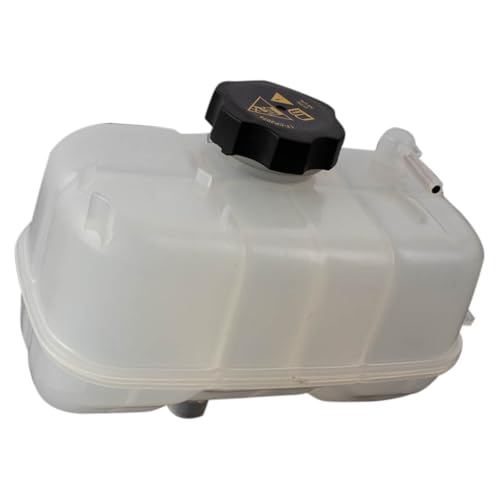
TRQ’s CH3014196 reservoir is targeted at the 2018-2025 Wrangler lineup. The listing highlights compatibility with specific 2018-2025 Wrangler builds, along with a commitment to quality and durability. As with other TRQ products, there is an emphasis on customer support and fitment verification through available documentation and, if needed, DIY content for a smooth installation experience.
Consider inspecting the mounting points, hose connections, and the cap seal during replacement. TRQ’s guidance content and an emphasis on replacement part quality can help ensure long-term reliability in hot climates and demanding off-road use.
YEHERIT 68364312AC Engine Coolant Reservoir For Wrangler

The YEHERIT reservoir is described as a direct replacement for Jeep Wranglers from 2018 through 2025 with the 2.0L L4 engine. It emphasizes a complete unit with a cap, designed to maintain proper coolant pressure and prevent evaporation that can lead to overheating. The part references OEM-style fit and standard mounting locations to support straightforward installation and reliable operation in the engine bay.
For vehicle owners upgrading to a stock-equivalent part, this option provides predictable fitment and a replacement-cap setup that preserves the factory cooling system’s performance characteristics.
KOKSHELY Aluminium Front Coolant Reservoir For Wrangler

The KOKSHELY reservoir uses an aluminum alloy construction designed to replace the factory plastic bottle. It targets Wrangler JL/JLU and Gladiator JT models from 2018 to 2025, including 2.0T and 3.6L configurations. The design emphasizes higher pressure resistance, lighter weight compared to a conventional metal, and compatibility with OEM installation points and covers. This option appeals to buyers seeking a more robust, long-lasting coolant bottle that can better handle heat and stress from off-road use.
When considering an upgrade to aluminum, check for clear clearance in the engine bay and confirm the part numbers (68364312AC/AA/AB and related references) that correspond to your vehicle’s model year and engine type to ensure a precise fit.
Buying Guide
Key purchase considerations help determine whether you should replace a stock reservoir or upgrade to an aftermarket option. Material choice, compatibility, and hardware included all influence long-term reliability and ease of installation.
- Compatibility and fitment: Always verify the part against your Wrangler’s model year, engine, and VIN. Wrangler JK, JL/JLU, and Gladiator JT platforms have distinct reservoir interfaces. Look for explicit compatibility ranges such as 2012-2017 JK or 2018-2025 JL/JLU and 2.0L versus 3.6L engines.
- Material and durability: Plastic reservoirs are common and affordable, offering adequate performance for everyday use. Aluminum reservoirs are lighter and more rigid, with improved resistance to cracking under high heat, but may require different mounting considerations.
- Cap and sealing: Some listings include the cap, while others do not. A cap that seals properly maintains pressure and prevents coolant evaporation. If a cap isn’t included, confirm compatibility with your existing cap or plan for an aftermarket cap replacement.
- Installation resources: Brands like TRQ advertise DIY videos and fitment guidance. Access to installation content can simplify replacements, especially for occasional or weekend repairs on the trail.
- OEM references and reliability: Replacements that reference OEM part numbers (for example, 68364312AC/AA/AB) help ensure a close match to factory specifications and easier future maintenance.
- Maintenance and service life: Replacement reservoirs are typically low-maintenance components, but aged or damaged hoses and clamps should also be inspected to avoid leaks and pressure drop.
- Weight and clearance: Aluminum bottles are typically lighter and sturdier, which can affect overall engine bay weight distribution slightly. Ensure there is no contact with belts or hoses after installation.
In summary, choose a reservoir that clearly lists compatibility for your Wrangler’s generation and engine, and consider whether an aluminum upgrade aligns with your goals for durability and weight. Use the included installation resources or reputable DIY videos when available to ensure a secure, long-lasting fit.