Finding the right folding knife involves balancing opening action, blade steel, weight, and durability. This guide covers auto-opening, assisted-opening, and traditional lock-back folding knives that American users rely on for everyday carry, outdoor use, and practical tasks. The selections below highlight five solid options that span traditional and modern mechanisms, helping you compare performance, safety features, and comfort in real-world scenarios.
| Product | Brand | Type | Blade | Notable Feature |
|---|---|---|---|---|
| Buck Knives 110 Folding Hunter Lock-back Knife (Brass Bolsters) | Buck Knives | Lock-back Folding Knife | 3-3/4″ 420HC | Classic design with nail-nick opening and secure lockback |
| Buck Knives 110 Folding Hunter Knife with Finger Grooves | Buck Knives | Lock-back Folding Knife | 3-3/4″ 420HC | Finger grooves for enhanced grip and balance |
| Grand Way Spring Assisted Heavy Duty Pocket Knife (3.5″ Tanto) | Grand Way | Spring Assisted Folding Knife | 3.5″ Tanto | Assisted opening with G10 handle and pocket clip |
| Kershaw Appa Folding Tactical Pocket Knife | Kershaw | Assisted Opening Folding Knife (SpeedSafe) | 2.75″ | SpeedSafe one-handed opening; lightweight and compact |
| CIVIVI Mini Praxis Folding Knife (2.98″ D2) | CIVIVI | Folding Knife with Pocket Clip | 2.98″ D2 | Ceramic ball-bearing pivot; strong detent for fast action |
Note: The table reflects a mix of auto-opening, assisted-opening, and traditional lock-back designs, illustrating what users typically consider when evaluating “auto-folding” capabilities and related reliability for daily tasks.
Buck Knives 110 Folding Hunter Lock-back Knife
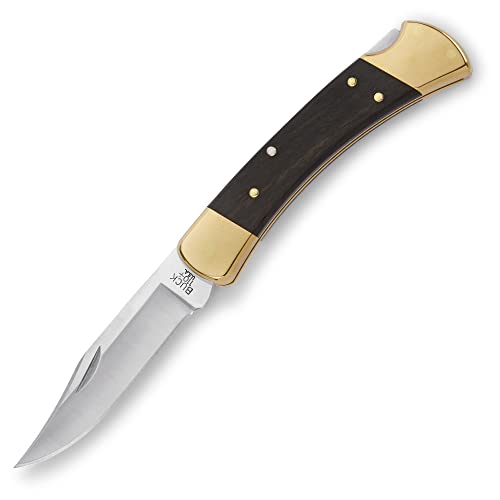
The Buck 110 is a storied design featuring a 3-3/4″ 420HC blade with corrosion resistance and excellent edge retention. Its lockback mechanism provides a reliable, secure blade stay once deployed, making it suitable for outdoor activities like hunting and camping, as well as everyday tasks. The knife’s traditional profile includes brass bolsters and a comfortable ebony handle, delivering classic aesthetics alongside practical balance. Opening is facilitated by a nail notch, keeping operation straightforward without sacrificing safety. Closed length is about 4-7/8″ and the knife weighs roughly 7.2 oz, contributing to a sturdy, confidence-inspiring feel in hand.
This model emphasizes durability and long-term service. It excels in rigorous environments where blade control and safety matter. While not an automatic or assisted opener, the Buck 110 remains a benchmark for reliability, heritage, and value in a full-size folding knife. It’s well-suited for users who appreciate a time-tested design that ages gracefully and remains functional across generations.
Buck Knives 110 Folding Hunter Knife with Finger Grooves

This variant adds finger grooves for a more ergonomic grip and enhanced control during use. The blade remains a 3-3/4″ 420HC clip point, delivering reliable cutting performance with strong edge retention and corrosion resistance. Like the standard Buck 110, it uses a traditional lockback mechanism to secure the blade in the open position, which contributes to safety during heavy tasks such as camp chores or intricate cutting.
The combination of a comfortable grip, balanced weight, and durable construction makes this knife a practical choice for collectors and outdoors enthusiasts alike. It’s a classic, rugged tool that can handle daily chores and fieldwork, while its familiar silhouette maintains a timeless presence in any kit.
Grand Way Spring Assisted Heavy Duty Pocket Knife

Grand Way’s spring-assisted design delivers quick, one-handed blade deployment, which is useful for tasks requiring rapid access. The blade is a 3.5″ tanto made from 440 stainless steel, offering durability and good edge retention. The handle uses a G10 material for a secure, moisture-resistant grip, and a pocket clip provides convenient carry. The knife’s setup includes thumb studs for ambidextrous use and a lanyard hole, adding customization options for different workflows. Aimed at heavy-duty use, this model is suited for camping, survival scenarios, and tactical-style tasks where speed matters.
Versatility is a highlight here: the kit includes a removable pocket clip and extra screws, so users can tailor the knife to their preferred carry configuration. While not a fully automatic knife, the spring-assisted action provides reliable opening with careful handling, reducing the effort needed for frequent use in outdoor environments.
Kershaw Appa Folding Tactical Pocket Knife
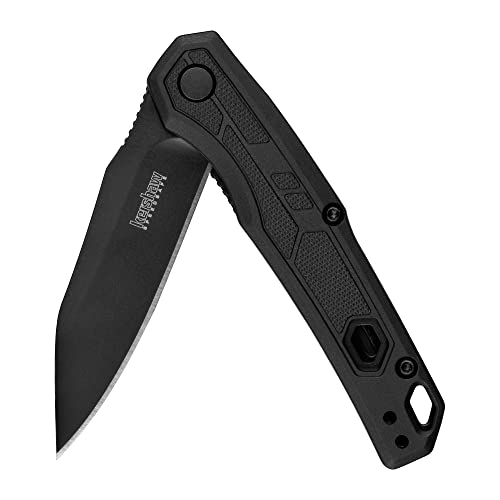
The Kershaw Appa prioritizes lightweight strength with a compact 2.75″ blade and a slim profile. It features SpeedSafe assisted opening, which enables quick one-handed deployment when speed is essential. The handle design includes cut-outs to reduce weight without sacrificing rigidity, and a liner lock secures the blade once opened. This model suits everyday carry, light tactical tasks, and quick-field work where rapid access and control are important. The combination of a small blade and robust mechanism makes it a popular choice for edc users who value portability and responsiveness.
While not a large-duty tool, the Appa stands out for its balance of weight savings and performance. It’s ideal for users who want a reliable, easily carried knife for daily tasks, small package openings, or improvisational needs where a quick, controlled cut is beneficial. Maintenance is straightforward, and the SpeedSafe mechanism provides predictable operation under varied conditions.
CIVIVI Mini Praxis Folding Knife
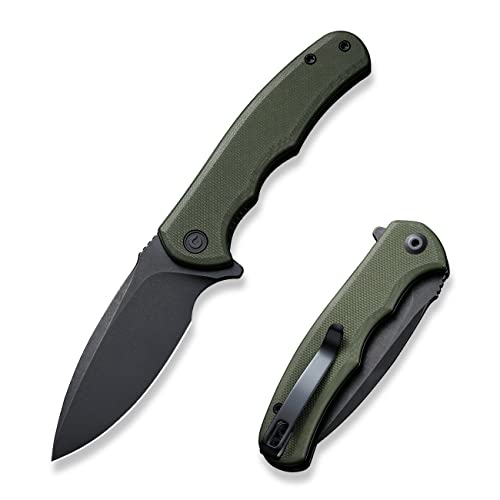
The CIVIVI Mini Praxis uses a 2.98″ D2 steel blade paired with a G10 handle, delivering strong edge retention with good corrosion resistance and a durable, moisture-resistant grip. The pocket clip keeps it readily accessible, while a ceramic ball-bearing pivot enables smooth, rapid one-handed deployment and closing. A robust detent ensures crisp, snappy action over the knife’s lifetime, making it well-suited for EDC tasks, camping, and everyday chores that demand dependable performance in a compact package.
Design emphasis centers on precision and reliability. The Mini Praxis offers a balance of lightweight form and steady deployment, with a focus on safe, controlled action. Its anti-slip G10 scales and reinforced construction ensure confidence during repetitive use, while the D2 blade provides long-term edge retention for a variety of daily cutting needs.
Buying Guide
Key purchase considerations for auto-opening, assisted-opening, and traditional folding knives include opening mechanism, blade steel, blade length, handle material, weight, and carry options. Understanding how each factor affects performance helps you select the right knife for your intended use.
- Opening mechanism: Auto-opening knives (if legal where you live) offer instant blade deployment but may require more careful handling and compliance with local regulations. Assisted-opening knives provide rapid deployment with a nail-friendly mechanism, while lock-back knives rely on a manual opening action with a secure lock.
- Blade steel and geometry: Higher-alloy steels (e.g., 420HC, 440 stainless, D2) resist corrosion and hold edges longer, but sharpening characteristics vary. The blade length affects cutting leverage and portability; longer blades excel at slicing tasks, shorter blades are more versatile for daily carry.
- Handle material and texture: G10, wood, aluminum, or composite handles influence grip, durability, and weather resistance. Textured surfaces or finger grooves improve control, while smooth handles can be more comfortable for some users in light-duty applications.
- Weight and balance: Heavier blades feel sturdy in use but can be tiring during extended carry. Lighter designs facilitate portability, especially for daily errands. Balance between the blade and handle contributes to effortless cutting and safer use.
- Carriage and safety features: Pocket clips, lanyard holes, and thumb studs add versatility and ease of access. Locking mechanisms (lockback, liner lock, or frame lock) influence safety during use, especially under heavy-duty tasks or one-handed operations.
- Legal and practical considerations: Some jurisdictions regulate automatic knives or restrict blade length. Always verify local laws before purchase and ensure the knife fits your intended activities, from camping and hiking to urban daily tasks.
How do different user needs map to these options? Everyday carry users may prioritize compact size, lightweight design, and one-handed access, favoring models with SpeedSafe or similar assisted-opening features and pocket clips. Outdoor enthusiasts and hobbyists might prefer larger blades with robust lockbacks for safety during chopping and detailed work. Collectors or professionals could lean toward classic lock-back designs for durability and aesthetic appeal, while still appreciating modern enhancements like G10 scales or D2 steel.
In summary, the best choice depends on your primary use, local laws, and personal preference for opening action. The Buck 110 family offers timeless reliability and a traditional feel, while Grand Way, Kershaw, and CIVIVI provide modern options with faster deployment and advanced materials. By weighing blade length, steel, handle grip, and the opening mechanism, you can select a folding knife that aligns with how you work and where you carry it.