TPMS sensors monitor tire pressure and temperature to prevent underinflation and improve safety. Aftermarket TPMS sensors offer cost-effective replacement options with broad vehicle coverage and modern features. This guide highlights five top aftermarket TPMS sensors, covering GM, Ford, and other brands, with elements such as dual-frequency compatibility, pre-programmed libraries, and easy installation. The listed products are widely used, reliable, and designed for DIY installation where permitted by local regulations.
Summary of featured sensors:
| Product | Brand | Notable Benefit |
|---|---|---|
| Autel MX Sensor 4-Pack | Autel | Dual-frequency (315/433MHz) with easy tool-based programming |
| Tymate TM7 TPMS | Tymate | Six alarm modes and color LCD display, portable and plug-in power |
| CARORAV GM TPMS Sensor 4-Pack | CARORAV | Pre-programmed OE-replacement for many GM models |
| Marsflex 13598773 GM TPMS Sensor | Marsflex | Pre-programmed, OEM-spec replacement for GM vehicles |
| PUMBOAT 315MHz GM TPMS Sensor | PUMBOAT | Direct OE replacement with extensive GM coverage |
Autel MX Sensor 4-Pack TPMS

Autel MX Sensor TPMS sensors use a dual-frequency design that supports 315 MHz and 433 MHz, enabling broad vehicle coverage. Each sensor features interchangeable valve stems and a press-in installation style that simplifies DIY replacement. The MX Sensor is designed for easy programming with Autel TPMS tools, with the capability to handle multiple sensors simultaneously, which is useful for fleets or multi-vehicle setups. The device is built to meet OE replacement expectations and supports a wide library of vehicle applications.
These sensors are crafted to replace OE units across many brands and models. After installation, users can clone or configure sensors with compatible Autel scanners, ensuring accurate readings and consistent performance. The combination of robust signal strength and straightforward installation makes this a popular aftermarket choice for both individual car owners and small shops.
Tymate TM7 Wireless TPMS 4-Sensor

Tymate TM7 TPMS provides real-time tire pressure and temperature data with accuracy around ±1.5 PSI and ±3°F. It offers six alarm modes, including high/low pressure, fast leakage, high temperature, sensor low battery, and signal loss, giving drivers a comprehensive safety net. The color LCD with an adjustable backlight ensures visibility in varied lighting conditions, making it suitable for daily commutes and longer trips alike. The system is designed to support DIY installations in a wide range of vehicles, including those without factory TPMS.
Power is supplied by plugging into the vehicle’s cigarette lighter socket, eliminating complex wiring. The Tymate TM7 also includes USB charging capabilities, useful for charging mobile devices during long trips. Pre-labeling and factory pairing of sensors streamline setup, reducing the time required to bring a vehicle to full monitoring capability.
CARORAV GM TPMS Sensor 4-Pack

CARORAV’s GM TPMS Sensor 4-Pack is designed to fit most GM vehicles, including Buick, Cadillac, GMC, and Chevrolet models. The sensors are pre-programmed and tested to ensure compatibility with OE part numbers, simplifying installation and reducing the need for extensive programming. The library covers multiple OE references, such as 13598771 and 13598772, enabling straightforward sensor replacement across a broad GM lineup. CARORAV emphasizes ongoing library updates based on customer feedback to improve performance and reliability.
The manufacturer notes regular market feedback and monthly loading inspections of TPMS products, with updates to the sensor library as needed. A 4-pack provides a convenient, cost-effective option for replacing multiple sensors on a single vehicle or across a small fleet, helping maintain accurate tire monitoring with familiar GM compatibility.
Marsflex 13598773 GM TPMS Sensor

Marsflex TPMS Sensor 13598773 is pre-programmed to OE specifications and designed as an easy direct replacement for GM models. It targets a broad GM family, including Chevrolet Malibu, Silverado, Cruze, Lacrosse, Regal, and other models listed in the compatibility notes. The sensor is built to streamline installation and minimize post-installation steps, providing a reliable, cost-effective solution for replacing failed sensors in GM vehicles.
After installation, these sensors can be activated with a compatible scan tool to ensure proper recognition by the vehicle’s TPMS system. Supplied as a 4-pack, Marsflex offers an economical option for multi-wheel replacements and fleet maintenance, with the aim of restoring accurate tire pressure monitoring across several wheels or vehicles.
PUMBOAT 315MHz GM TPMS Sensor
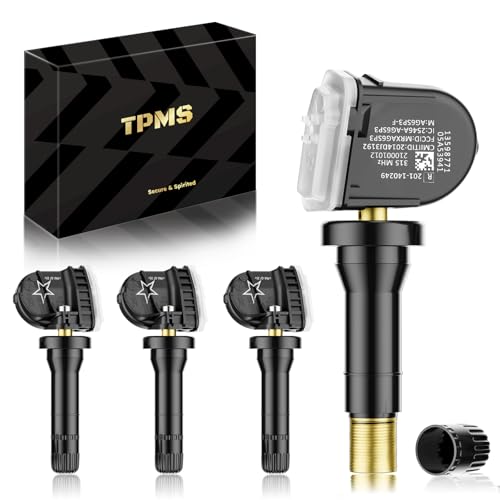
PUMBOAT TPMS Sensor (GM) 315MHz is a direct replacement designed for a wide array of GM vehicles, including Silverado, Equinox, Tahoe, Traverse, Yukon, Sierra, and Cadillac Escalade models. It features 315MHz dual-frequency capability and is engineered to match OE performance standards, simplifying installation and ensuring reliable tire monitoring. The product notes emphasize compatibility with multiple GM models and OE part numbers to support straightforward substitutions for failed sensors.
The package includes four sensors and provides important fitment notes: verify vehicle compatibility before purchase, as incorrect installation may void warranty. PUMBOAT markets these sensors as a practical, cost-effective aftermarket option for maintaining consistent TPMS coverage across wheels and vehicles in American fleets or personal cars alike.
Buying Guide
Compatibility and Frequency
Choose sensors that match your vehicle’s frequency and compatibility requirements. GM vehicles commonly use 315MHz, but some models require 433MHz. Verify your exact make, model, and year before purchase, and confirm that the sensor library includes your OE part numbers. If you own multiple vehicles, consider a sensor line with broad coverage or a kit that supports fleet programming to simplify maintenance.
Pre-Programmed vs Programmable Sensors
Pre-programmed sensors simplify installation by aligning with OE references, reducing the need for separate programming. Some brands require a TPMS programming tool to clone or encode new sensors to a vehicle. If you plan DIY replacements, ensure the sensors you choose either come pre-programmed or are compatible with tools you own or can access easily.
Installation Method and Valve Stems
Sensor installation methods vary: many aftermarket TPMS sensors use a press-in design with rubber stems, while some vehicles still require screw-in or metal stems. Check your wheel hardware and whether your tires’ valve stems are rubber or metal. The ease of installation can affect both time and labor costs, especially for wheel replacement on multiple tires or fleet maintenance.
Durability, Battery Life, and IP Rating
Look for sensors with durable construction and long battery life. Battery life varies by battery type (CR2032 is common) and usage conditions. IP ratings (e.g., IP67) indicate water and dust resistance, contributing to longevity in challenging road conditions. Longer battery life reduces maintenance frequency and operational costs, particularly for vehicles deployed in commercial or remote settings.
Warranty, Support, and Library Updates
Consider vendor warranty terms and after-sales support. Sensors backed by a robust replacement policy and regular library updates help ensure continued compatibility as vehicle models evolve. A strong support program is especially valuable for fleets or DIY enthusiasts who rely on prompt assistance for programming or troubleshooting.
Value, Coverage, and Practicality
Trade-offs between price and performance are common. A 4-pack of sensors that covers a wide range of GM models can offer substantial cost savings for a single vehicle or a small fleet. When evaluating options, weigh the breadth of compatibility, ease of installation, and the provider’s commitment to updates and customer service to determine the best overall value for your needs.