Choosing the right engine oil is essential for protecting engine components, maintaining optimal viscosity, and extending performance life. This guide highlights five top options from trusted brands, focusing on performance, protection, and compatibility with common American and imported engines. Each product is evaluated for wear protection, fuel efficiency potential, and overall engine cleanliness to help you make an informed decision.
Summary of Selected Products
| Product | Brand | Key Benefit | Volume |
|---|---|---|---|
| Mobil 1 European Car Formula Full Synthetic Motor Oil 0W-40 | Mobil | Excellent wear protection and long intervals | 5 Quart |
| LIQUI MOLY Synthoil Premium 5W-40 | Liqui Moly | Fully synthetic, low-friction for all-season use | 1 L |
| Lucas Oil 10118 High Mileage Oil Stabilizer | Lucas Oil | Reduces engine wear and noise in high-mileage engines | 1 Quart |
| Lucas Oil 10679 Hot Rod & Classic Car SAE 10W-30 | Lucas Oil | Dense additive package for protection in older engines | 5 Quart |
| Prolube Oil Treatment – Engine Oil Additive (1QT) | Prolube | Reduces wear, noise, and fuel consumption | 1 Quart |
Mobil 1 European Car Formula 0W-40 — Full Synthetic

Mobil 1 FS European Car Formula 0W-40 is designed to protect engines under severe driving conditions common in European and some American vehicles. It helps control oxidation to prevent oil breakdown and maintains viscosity for up to 10,000 miles between changes, with uniform synthetic oil molecules that reduce friction for better wear protection and performance.
LIQUI MOLY Synthoil Premium 5W-40

Liqui Moly Synthoil Premium 5W-40 is a fully synthetic motor oil suitable for gasoline and diesel engines, designed for all-season use. It emphasizes low friction and engine cleanliness, aligning with manufacturer instructions for diverse vehicle needs and helping maintain engine efficiency across temperatures.
Lucas Oil 10118 High Mileage Oil Stabilizer
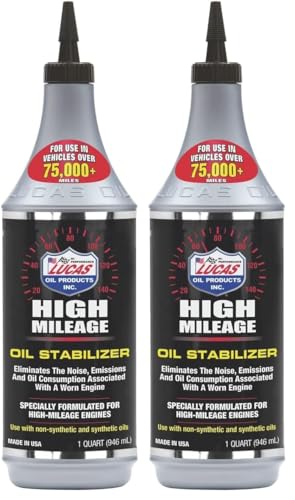
Lucas Oil 10118 High Mileage Oil Stabilizer is designed for engines with higher mileage, aiming to reduce wear and oil consumption while restoring some lost compression, noise, and emissions benefits associated with aging engines. It lubricates internal parts to minimize wear and helps counteract typical high-mileage issues.
Lucas Oil 10679 Hot Rod & Classic Car SAE 10W-30

Lucas Oil 10679 is formulated for classic and performance-oriented engines, delivering a robust additive package that helps form a tougher, thicker protective film. This oil is intended to support high-temperature operation and older engine tolerances, providing enhanced protection in demanding driving scenarios.
Prolube Oil Treatment — 16 Oz

Prolube Oil Treatment combines engine oil additive chemistry to reduce wear, noise, and vibration while improving fuel economy and overall engine smoothness. The formulation is designed to strengthen lubrication, lower friction, and support longevity across daily driving and heavier loads.
Buying Guide: Key Considerations For Engine Oils
- <strongViscosity and specification: Verify the vehicle’s owner manual for recommended viscosity (eg. 0W-40, 5W-40, 10W-30). Synthetic oils generally offer superior protection and stability at temperature extremes, but compatibility with your engine matters most.
- <strongSynthetic vs. conventional: Fully synthetic oils deliver better oxidation resistance, faster cold-start protection, and longer intervals in many modern engines. Conventional oils may be adequate for older engines or budget constraints, but require more frequent changes.
- <strongHigh-mileage needs: Engines with many miles can benefit from additives that reduce wear and consumption. High-mileage stabilizers and certain oil treatments may help maintain compression and reduce oil burn-off, though they should complement, not replace, proper oil changes.
- <strongAdditive packages: Friction modifiers, zinc/molybdenum content, and detergents influence wear protection and engine cleanliness. Some additives can conflict with certain seals or after-market modifications; consult manufacturer guidance if unsure.
- <strongEngine type and usage: Diesel vs. gasoline, turbocharged vs. naturally aspirated, and driving profile (city, highway, towing) all affect oil choice. High-temperature and high-load scenarios demand robust protection.
- <strongMaintenance intervals: Adhering to recommended oil-change intervals preserves protection and efficiency. Extended intervals require oils with proven oxidation resistance and viscosity stability.
- <strongCost vs. value: A higher upfront cost for synthetic oils often yields longer intervals and better protection, potentially lowering maintenance costs over time. Consider total cost of ownership when comparing products.
- <strongOEM approvals and certifications: Look for brands aligning with your vehicle’s approvals (ACEA, API, or manufacturer-specific specs). This ensures compatibility and performance expectations are met.
- <strongEnvironment and disposal: Proper disposal of used oil is essential. Favor brands that promote responsible recycling and provide clear guidance on disposal.